

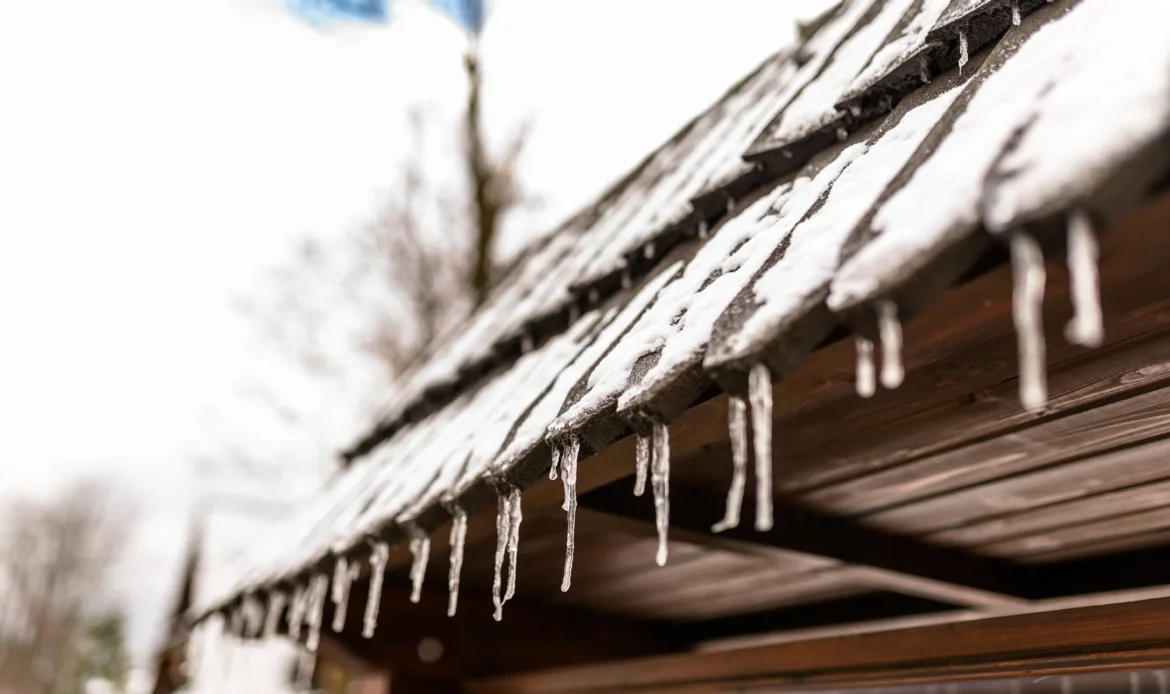
Snow and ice are not normal for Georgia. That is exactly why they can be so damaging to local roofs.
Most roofs in Georgia are built to handle heat, humidity, heavy rain, and wind. They are not designed for freezing temperatures, ice buildup, or sudden thaw cycles. When snow and ice hit, even for a short time, they can expose weak points that may have gone unnoticed for years.
Here is what this rare winter weather actually does to your roof and why Georgia homeowners should take it seriously.
Georgia Roofs Are Not Built for Ice
In colder regions, roofs are designed to handle snow load and long freeze cycles. In Georgia, roofing systems are optimized for a very different climate.
When ice forms on a Georgia roof, materials react differently. Shingles can become brittle, sealants can crack, and flashing can separate as temperatures drop and rise quickly. These changes may not cause immediate leaks, but they weaken the roof’s ability to keep water out once everything starts to melt.
Ice Expansion Creates Hidden Damage
Ice expands as it freezes. When moisture works its way into small cracks around shingles, flashing, or vents, freezing temperatures cause that moisture to expand.
This expansion can:
-
Widen existing cracks
-
Break seals around roof penetrations
-
Loosen flashing
-
Separate shingles from the roof surface
When the ice melts, water has a clear path inside. Many homeowners only notice the damage days or weeks later when stains appear on ceilings or walls.
Snow Weight Adds Stress to the Roof Structure
Even light snow adds weight. While a single snowfall may not cause collapse, it can stress older roofs or areas that already have weakened decking.
This is especially concerning for:
-
Older roofs
-
Roofs with existing water damage
-
Homes with poor attic ventilation
-
Areas around valleys and low slopes
Snow load combined with ice buildup increases pressure on areas that were never designed to handle it.
Freeze and Thaw Cycles Are the Real Threat
One of the biggest risks with Georgia winter weather is rapid temperature change. Snow melts during the day, then refreezes at night.
This freeze and thaw cycle:
-
Forces water under shingles
-
Reopens sealed areas
-
Increases long-term moisture exposure
Damage from these cycles often does not show up right away. Many homeowners discover issues only after the next heavy rain.
Roof Leaks Often Appear After the Ice Is Gone
One of the most common mistakes homeowners make is assuming their roof survived because there was no immediate leak during the snow.
In reality, many leaks begin after temperatures rise. Ice melts, trapped moisture moves, and weakened areas finally give way. This delayed damage is why post-storm inspections are so important after rare winter weather.
Why Georgia Homeowners Should Act Quickly
Snow and ice damage does not always look dramatic from the outside. Small issues can quietly turn into:
-
Interior ceiling damage
-
Mold growth in attics
-
Rotted decking
-
Costly repairs that could have been avoided
Catching problems early is the difference between a simple repair and major work later on.