
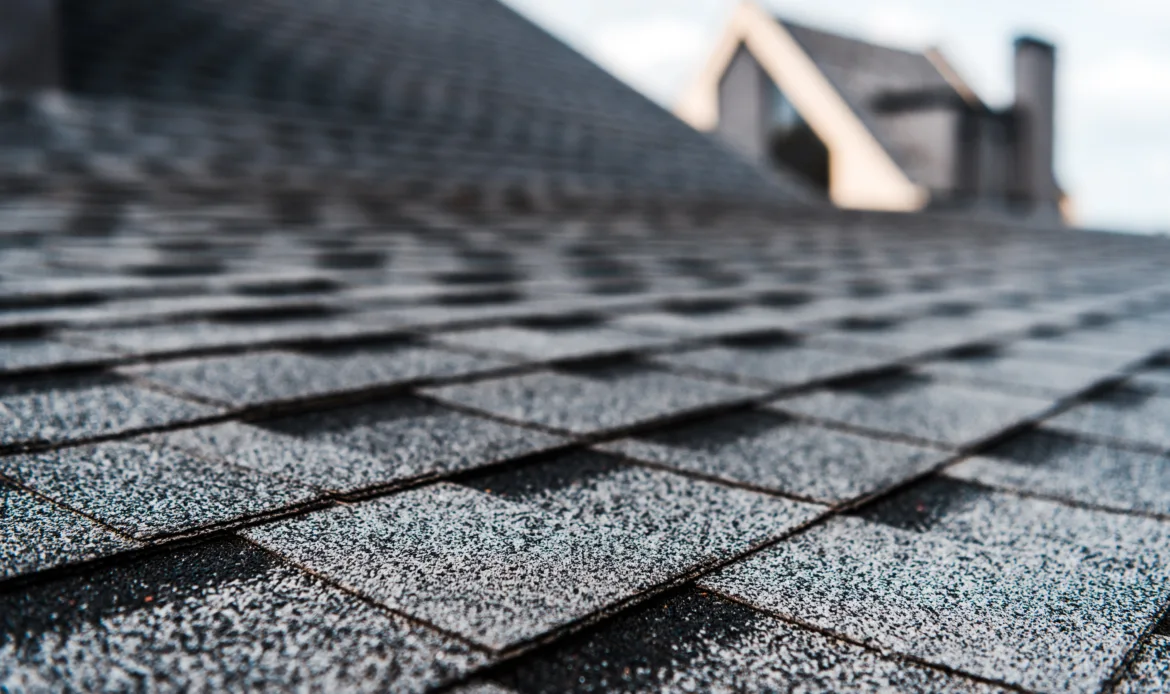
Roof leaks are a frustrating reality for many Atlanta homeowners. The city’s climate characterized by dramatic summer storms, humidity, and dense tree cover regularly puts roofs to the test. Understanding what leads to leaks can help you spot warning signs early and know when it’s time to call in the experts.
1. Storm and Weather Damage
Atlanta’s severe storms often result in shingles being torn, hail dents, and debris from wind-blown branches. Each of these can create vulnerabilities in your roof where water penetrates, especially after intense rains.
Look out for:
Missing or damaged shingles after storms
Water stains appearing on ceilings or walls
Dented gutters and roofing surfaces
2. Aging Roof Materials
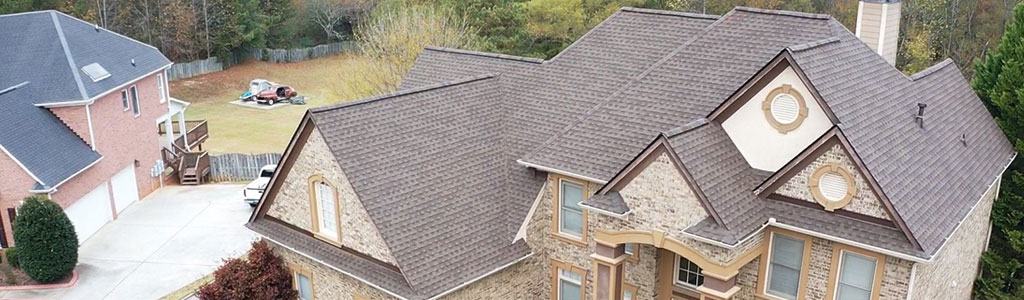
All roofs wear down over time. In Atlanta’s climate, heat, rain, and sun speed up shingle deterioration and underlayment breakdown. As roofs age, they become less effective at keeping moisture out.
Watch for:
Sagging or visible dips in the roof surface
Shingles losing granules
Recurring leaks in different area
3. Damaged or Missing Flashing
Flashing is the metal installed where the roof meets vertical structures like chimneys or walls. Over the years, flashing can rust, corrode, or come loose resulting in leaks at vulnerable joints.
Common signs:
Water stains by chimneys or roof valleys
Rusted or visibly separated flashing
4. Clogged Gutters and Downspouts
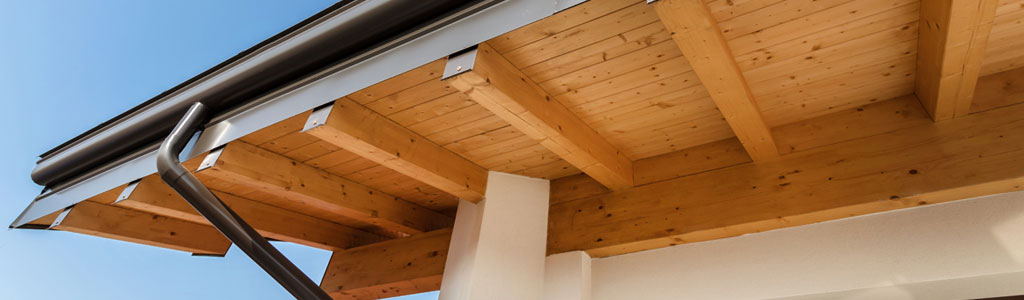
With Atlanta’s abundant trees, gutters easily fill with leaves, pine needles, and debris. When water can’t flow away from your roof, it backs up under shingles and rots wood trim, frequently leading to leaks.
Warning signs:
Overflowing gutters during rain
Peeling paint or water marks along the roofline
Soft areas on fascia or soffits
5. Improper Installation or Repairs
Sometimes, roof problems can be traced back to poor workmanship like improper flashing, insufficient overlap, or low-quality materials. Such issues are especially frustrating because they can cause leaks in newer roofs as well.
What to look for:
Leaks soon after a roofing project
Constant issues in the same spot
Uneven shingle rows or exposed fasteners
6. Roof Penetrations and Vents
Areas where pipes, vents, and skylights penetrate your roof are notorious leak points. The seals or “boots” around these openings can dry out in the Atlanta sun or become cracked and brittle over time.
Spotting trouble:
Stains near attic vents, plumbing pipes, or skylights
Cracked or deteriorated rubber seals on the roof
7. Flat Roof Pooling and Debris Accumulation
Flat roofs, although less common, are particularly vulnerable to water pooling and failed membranes. Debris build-up traps moisture against the structure, accelerating wear and leaks.
Warning signs:
Standing water after rainfall
Watermarks spreading from the center of the building
The Importance of Early Action
No matter the cause, roof leaks rarely fix themselves. The moment you spot signs of damage, acting quickly is your best protection against escalating costs and further property damage.